Seasonal incentive alignments that steer users from virtual card simulations toward live event forecasts via layered access protocols in unified handheld ecosystems
Tina Patterson · Aug 23, 2026
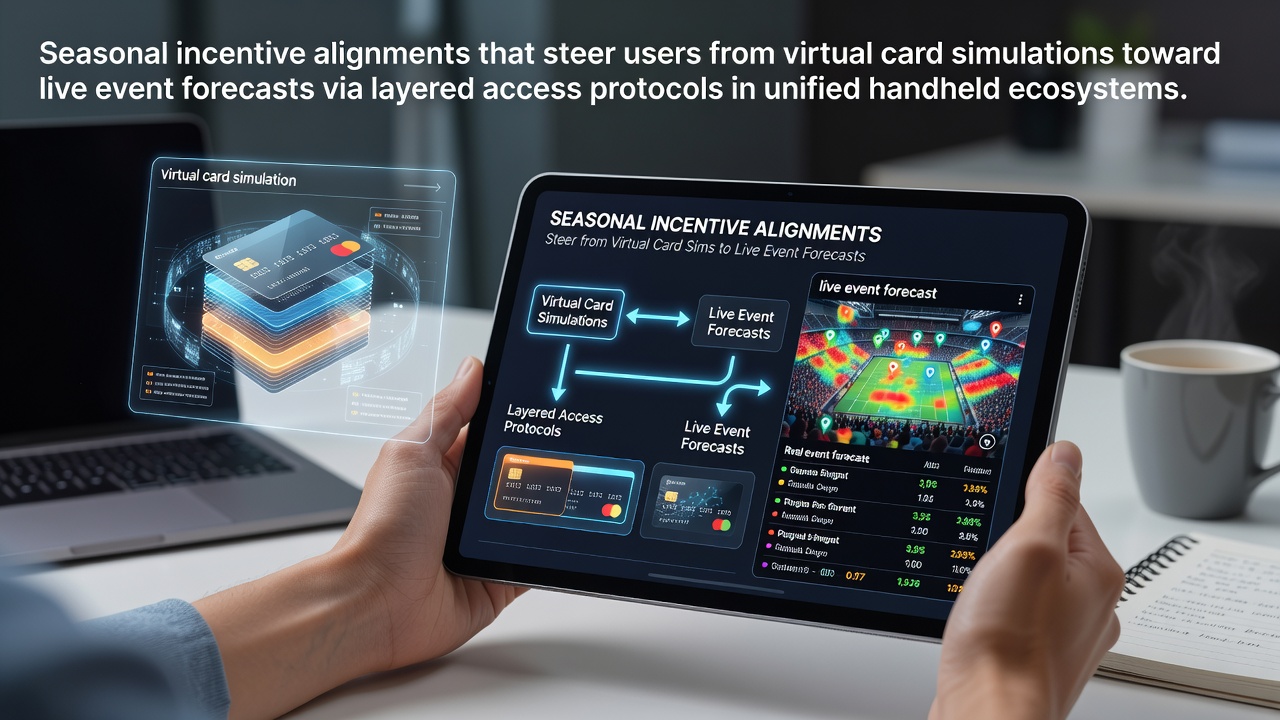
Seasonal incentive alignments that steer users from virtual card simulations toward live event forecasts via layered access protocols in unified handheld ecosystems
Unified handheld ecosystems integrate virtual card simulations with live event forecasts through seasonal incentive structures that adjust user pathways based on engagement patterns and access layers. Platforms operating in these environments use protocol designs where initial participation in simulated card activities unlocks progressive tiers, and data from industry tracking shows these alignments often intensify during peak calendar periods including August 2026 updates across multiple providers.
Core Mechanics of Virtual Card Simulations in Mobile Ecosystems
Virtual card simulations serve as entry points in many handheld applications where users engage with digital representations of table games before advancing toward predictive modules. These simulations operate within unified ecosystems that track session duration, completion rates, and interaction frequency to determine eligibility for higher access levels. Researchers at academic institutions have documented how such systems employ algorithmic matching to align simulation outcomes with available forecast events, creating a continuous flow that moves participants along defined sequences without abrupt shifts.
Layered access protocols function as gatekeepers in these setups by requiring specific activity thresholds before live event forecasts become available. Observers note that the protocols typically incorporate time-bound conditions tied to seasonal calendars, so that incentives expand or contract according to external event schedules such as sports seasons or tournament cycles. In August 2026 several ecosystems adjusted their threshold calculations to reflect updated regulatory reporting requirements from bodies including the New Jersey Division of Gaming Enforcement.
Seasonal Incentive Structures and User Progression
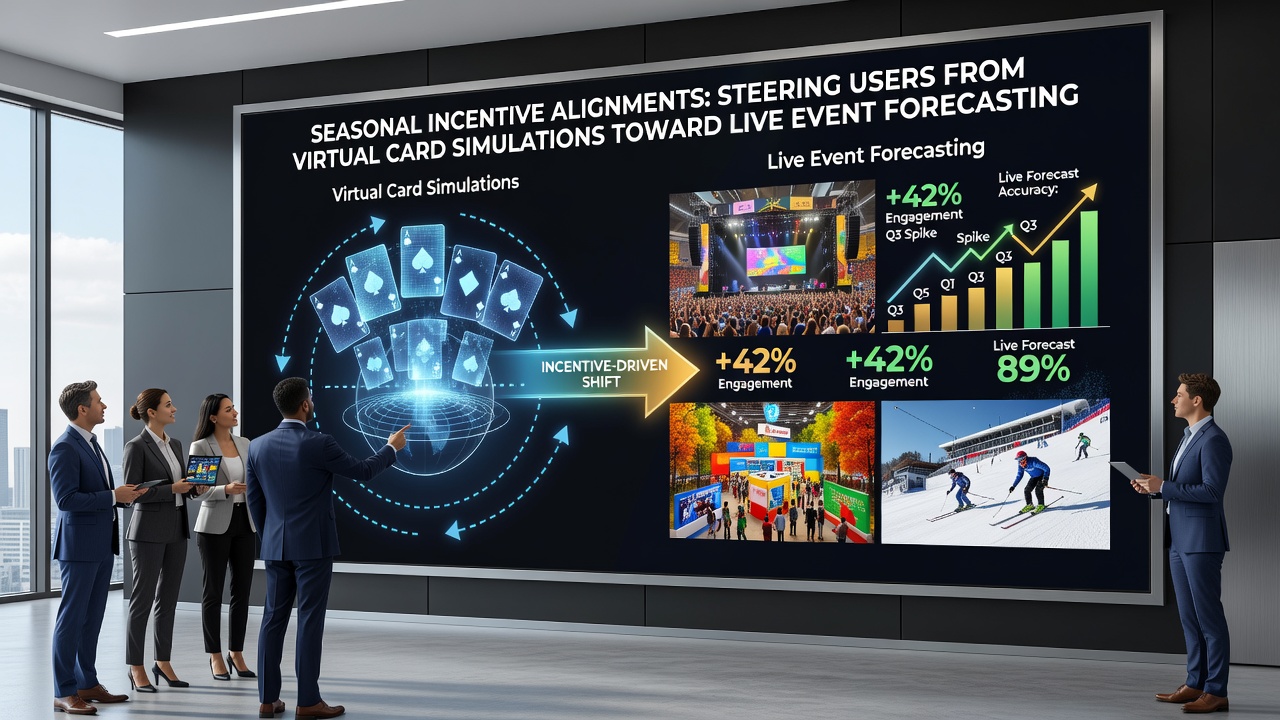
Seasonal incentives operate through reward matrices that recalibrate periodically, directing attention from simulated card environments toward live prediction markets. These alignments frequently appear as bonus multipliers or priority access windows that activate during designated months, and figures released by the American Gaming Association indicate measurable upticks in cross-module transitions during summer and early fall periods. The incentive layers connect directly to protocol rules so that accumulated simulation credits convert into forecast entry tokens once seasonal triggers activate.
Unified handheld ecosystems maintain consistency across devices by synchronizing protocol states through cloud-based verification, which allows users to resume progression on any registered handset. Data indicates that this synchronization reduces friction in moving between virtual simulations and live forecasts, particularly when seasonal promotions coincide with major event calendars. Experts have observed that the combination of layered protocols and seasonal adjustments produces measurable shifts in user behavior patterns tracked through anonymized session logs.
Protocol Integration Across Device Ecosystems
Layered access protocols within unified handheld ecosystems rely on device-level authentication combined with server-side validation to enforce progression rules. These systems verify simulation completion metrics before granting forecast access, and the verification process incorporates seasonal modifiers that alter point requirements or unlock additional prediction categories. Reports from Canadian regulatory agencies have highlighted similar protocol frameworks operating across provincial platforms where seasonal realignments occur in coordination with national sporting calendars.
Live event forecasts in these environments draw from real-time data feeds that update continuously, and the transition from card simulations occurs through protocol checkpoints that users encounter at defined intervals. Those who study these systems note that the checkpoints often include optional micro-tasks that accelerate tier advancement when seasonal incentives are active. In August 2026 platform operators implemented refined checkpoint logic to accommodate expanded forecast categories tied to international competitions.
Data Patterns and Cross-Module Transitions
Industry analyses reveal that seasonal incentive alignments correlate with increased migration from simulation modules to forecast modules, with transition rates varying by user tenure and regional event density. The protocols enforce these migrations by adjusting visibility of forecast options based on cumulative simulation performance, creating a structured pathway rather than open choice. Research publications from European gaming studies centers document comparable patterns where layered systems maintain user retention across seasonal cycles through incremental access grants.
Unified ecosystems further support these alignments by providing consistent interface elements that signal upcoming tier changes and associated incentive windows. Observers tracking August 2026 activity reported that several providers synchronized their seasonal calendars with protocol updates, resulting in coordinated incentive launches across simulation and forecast modules. Such coordination relies on backend analytics that process aggregated usage data to optimize alignment timing without exposing individual user information.
Conclusion
Seasonal incentive alignments integrated with layered access protocols continue to shape user movement between virtual card simulations and live event forecasts inside unified handheld ecosystems. The mechanisms rely on verifiable thresholds, time-sensitive rewards, and device synchronization to maintain structured progression. Data collected through regulatory and academic channels demonstrates that these alignments adjust dynamically with calendar events, and ongoing refinements observed in 2026 illustrate how providers adapt protocol parameters to match evolving market and compliance landscapes.