Neural Network Applications in Anomaly Detection for Digital Reel Systems and Sports Outcome Forecasting
Tina Patterson · Jul 9, 2026
Neural Network Applications in Anomaly Detection for Digital Reel Systems and Sports Outcome Forecasting
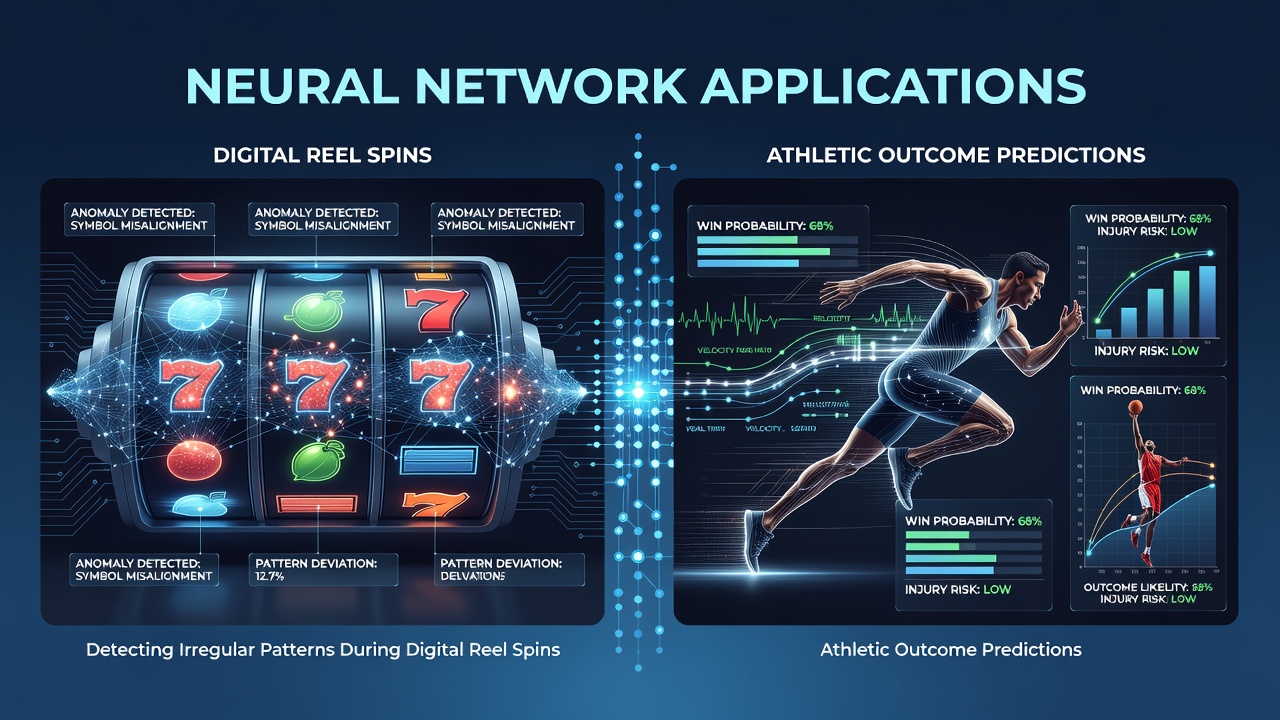
Neural networks have become central tools for identifying irregular sequences in digital reel operations, where algorithms process vast streams of spin data to flag deviations from established probability distributions, and similar architectures now support outcome modeling in athletic competitions by analyzing player statistics, environmental variables, and historical match records. Researchers at institutions across North America and Europe continue to refine these systems through layered architectures that include convolutional and recurrent components designed to capture temporal dependencies in sequential data.
Core Mechanisms in Reel Pattern Analysis
Digital reel platforms generate continuous output streams that neural networks evaluate in real time, with models trained on millions of historical spins to establish baseline frequency patterns for each symbol combination. When anomalies appear, such as unexpected clustering of high-value symbols beyond statistical norms, the network triggers alerts that operators can review for compliance or system integrity issues. Studies from the University of Alberta have documented how long short-term memory networks detect subtle shifts in random number generator outputs that traditional statistical tests often miss, allowing earlier intervention during live operations.
Training datasets incorporate both simulated and actual spin histories, which helps networks distinguish between legitimate variance and potential manipulation attempts. Engineers adjust hyperparameters including learning rates and layer depths to balance sensitivity against false positive rates, and deployment logs from North American gaming facilities show these models processing thousands of spins per second without introducing noticeable latency to player sessions.
Extension to Athletic Outcome Modeling
The same neural architectures transfer effectively to sports prediction tasks, where networks ingest structured data on team performance metrics, injury reports, weather conditions, and historical head-to-head results to generate probability distributions for upcoming events. Recurrent layers track momentum trends across multiple games while attention mechanisms highlight key variables such as player fatigue indicators or venue-specific advantages. Observers note that models trained on multi-season datasets achieve consistent calibration across leagues, with prediction accuracy varying by sport but generally improving as input features expand to include real-time tracking data from wearable sensors.
Integration Challenges and Technical Solutions
Combining reel monitoring with athletic forecasting requires separate data pipelines because regulatory environments and data formats differ substantially between gaming systems and sports analytics platforms. Engineers address this through modular network designs that allow shared preprocessing stages while maintaining domain-specific output layers. As of July 2026, several technology providers report successful pilot programs where anomaly detection frameworks originally developed for reel systems now incorporate transfer learning components to accelerate sports model training cycles.
Data privacy regulations in multiple jurisdictions further shape implementation strategies, with networks often operating on anonymized or aggregated inputs to comply with local requirements. Researchers emphasize the importance of continuous retraining schedules, since both reel generators and athletic rosters evolve over time, and periodic validation against holdout datasets helps maintain model reliability.
Recent Developments and Industry Adoption
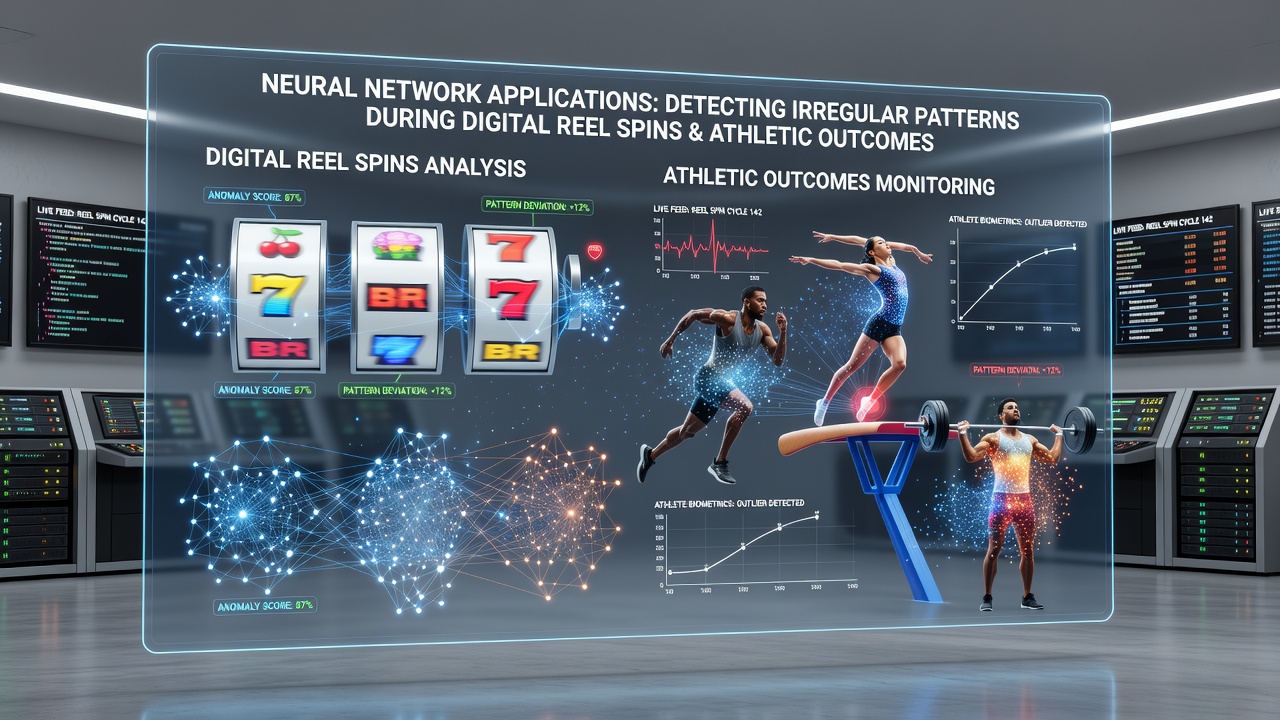
Industry reports indicate growing adoption of these combined approaches among operators seeking unified analytics platforms. A 2025 technical paper from the IEEE Computational Intelligence Society outlined hybrid architectures that process both reel telemetry and sports event streams through parallel branches before merging insights at higher abstraction levels. Implementation teams have documented reduced manual review workloads after deploying these systems, though human oversight remains essential for interpreting flagged events in context.
Regulatory bodies in various regions, including the New Jersey Division of Gaming Enforcement, have begun referencing neural network outputs during compliance audits, which has prompted vendors to incorporate explainability features such as attention heatmaps that highlight which input variables drove specific anomaly detections. These additions address auditor requirements for transparent decision pathways without compromising overall model performance.
Future Directions in Cross-Domain Applications
Continued research focuses on improving robustness against adversarial inputs, whether those arise from sophisticated reel manipulation attempts or from unexpected shifts in athletic competition dynamics. Federated learning techniques allow multiple organizations to contribute training data without sharing raw records, which supports collaborative model improvement while respecting proprietary boundaries. Evidence from ongoing trials suggests these methods can reduce the data volume needed for effective retraining by up to thirty percent in certain scenarios.
Conclusion
Neural network systems now provide established capabilities for detecting irregular patterns across digital reel environments and for generating athletic outcome forecasts, with technical foundations that continue to evolve through academic and industry collaboration. Deployment data from operational settings demonstrate practical value in both domains, while ongoing refinements address regulatory, privacy, and performance considerations that shape real-world use.