Intersections of Transaction Verification Processes and Tiered Access in App-Driven Spinning Games, Interactive Dealer Sessions, and Sports Outcome Markets
Uma Lang · Jun 14, 2026

Intersections of Transaction Verification Processes and Tiered Access in App-Driven Spinning Games, Interactive Dealer Sessions, and Sports Outcome Markets
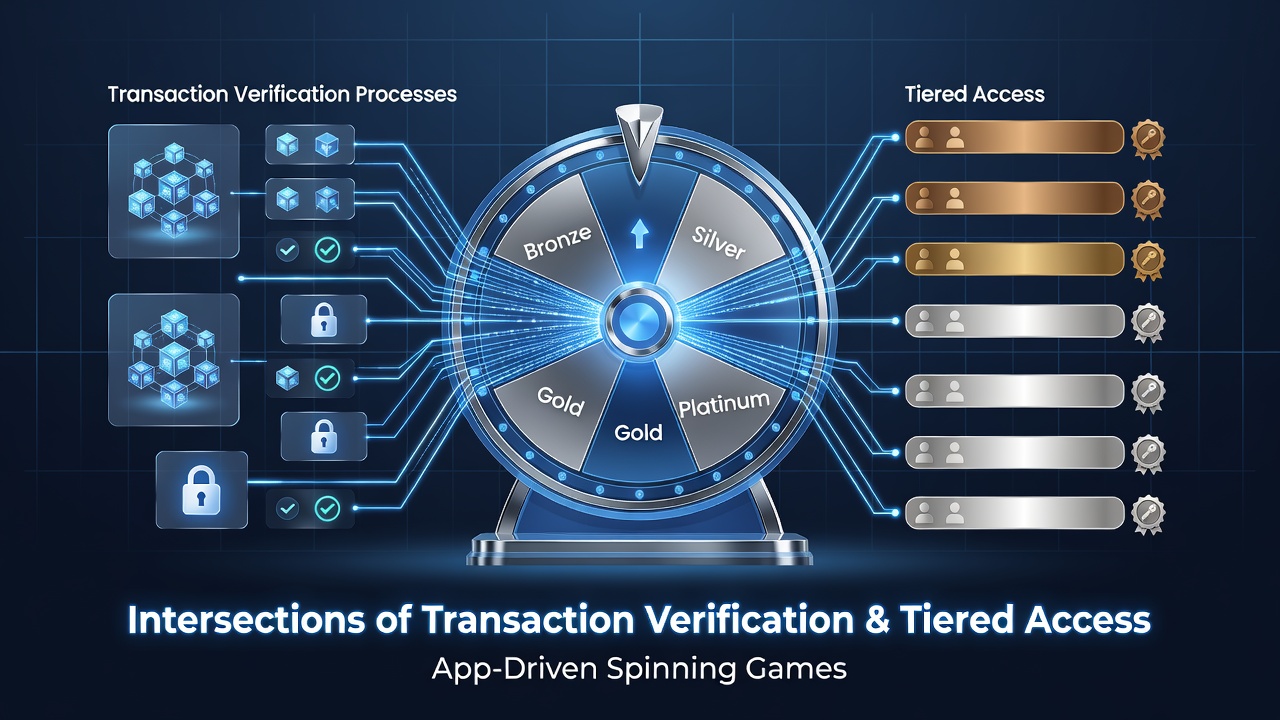
Transaction verification processes now intersect directly wth tiered access systems in mobile applications that handle spinning games, live dealer interactions, and sports outcome markets. These intersections determine how users progress from basic entry points to elevated reward structures, with verification steps serving as gateways that confirm identity, payment legitimacy, and compliance status before higher tiers activate. Data from regulatory filings indicate that verification protocols have expanded in scope since 2024, incorporating real-time checks that align with tier advancement requirements across multiple jurisdictions.
Core Elements of Transaction Verification in Mobile Platforms
Verification begins with standard identity confirmation through government-issued documents and address validation, followed by payment source authentication that links bank accounts or digital wallets to user profiles. Platforms apply automated screening against watchlists and transaction pattern analysis, which flags anomalies before any funds move into game accounts. Observers note that these steps create a foundational layer where successful verification unlocks initial access, while incomplete processes restrict users to demonstration modes only. In June 2026, several operators plan to integrate enhanced biometric options into their verification flows, responding to updated state guidelines that emphasize fraud prevention in app-based environments.
Tiered Access Structures and Their Dependencies
Tier systems categorize users based on deposit volume, activity frequency, and verified transaction history, granting incremental benefits such as faster withdrawal processing, exclusive game variants, and personalized event access. Advancement requires sustained verification of ongoing transactions, where each tier elevation triggers additional checks on source of funds and spending patterns. Researchers from industry reports show that platforms synchronize these tiers with verification milestones, ensuring that users cannot bypass lower levels without documented compliance at every stage. This linkage prevents unauthorized escalation and maintains consistent regulatory adherence across spinning games, dealer sessions, and sports markets.
Application in App-Driven Spinning Games
Spinning games within apps rely on verified deposits to activate tiered features like multiplier bonuses and reel customization options. Transaction records feed directly into algorithms that calculate eligibility for higher levels, with verification confirming that deposits originate from approved methods before any rewards distribute. Users who complete initial verification gain entry to standard spinning interfaces, whereas those seeking premium tiers must undergo repeated payment confirmations tied to cumulative activity thresholds. Figures from platform analytics reveal that verification completion rates correlate strongly with tier progression speed in these game categories.
Connections to Interactive Dealer Sessions
Live dealer sessions integrate verification data to control access to private tables and high-stakes variants, where tier status determines seating priority and interaction privileges. Each session entry logs verified transaction details, creating audit trails that support tier maintenance requirements. Operators apply session-based checks that reference prior verifications, allowing seamless progression for users who maintain clean payment histories. This approach ensures that dealer interactions remain restricted to accounts meeting both identity and financial validation standards at the corresponding tier level.
Integration with Sports Outcome Markets
Sports outcome markets connect verification processes to tiered betting limits and market access, where confirmed transaction histories determine available wager sizes and event selections. Platforms route verified funds through tier-specific interfaces that adjust odds displays and payout structures based on user level. According to Nevada Gaming Control Board summaries, verification alignment with tier systems has reduced discrepancies in sports market transactions by streamlining approval workflows. Users advance through market tiers only after verification confirms compliance with deposit and withdrawal patterns specific to sports events.
Regulatory Influences on These Intersections
State and provincial regulators require documented verification at each tier boundary, with audits focusing on how platforms link payment processing to access controls. In regions like Ontario, guidelines from the Alcohol and Gaming Commission of Ontario emphasize synchronized verification and tier protocols to mitigate risks in mobile sports and table environments. These rules shape app development by mandating that tier benefits activate only post-verification, creating uniform standards that operators must follow when updating systems in 2026.
Conclusion
The intersections of transaction verification and tiered access continue to define operational frameworks in mobile spinning games, dealer sessions, and sports outcome markets. Verification serves as the consistent mechanism that gates tier progression, supported by regulatory expectations that tie financial checks to user level advancements. As platforms prepare for June 2026 updates, these connections remain central to maintaining compliant and structured access across all three categories.