How Real-Time Analytics Shape Customized Incentives for Enthusiasts of Digital Table Games and Wagering Events
Tina Patterson · May 21, 2026
How Real-Time Analytics Shape Customized Incentives for Enthusiasts of Digital Table Games and Wagering Events
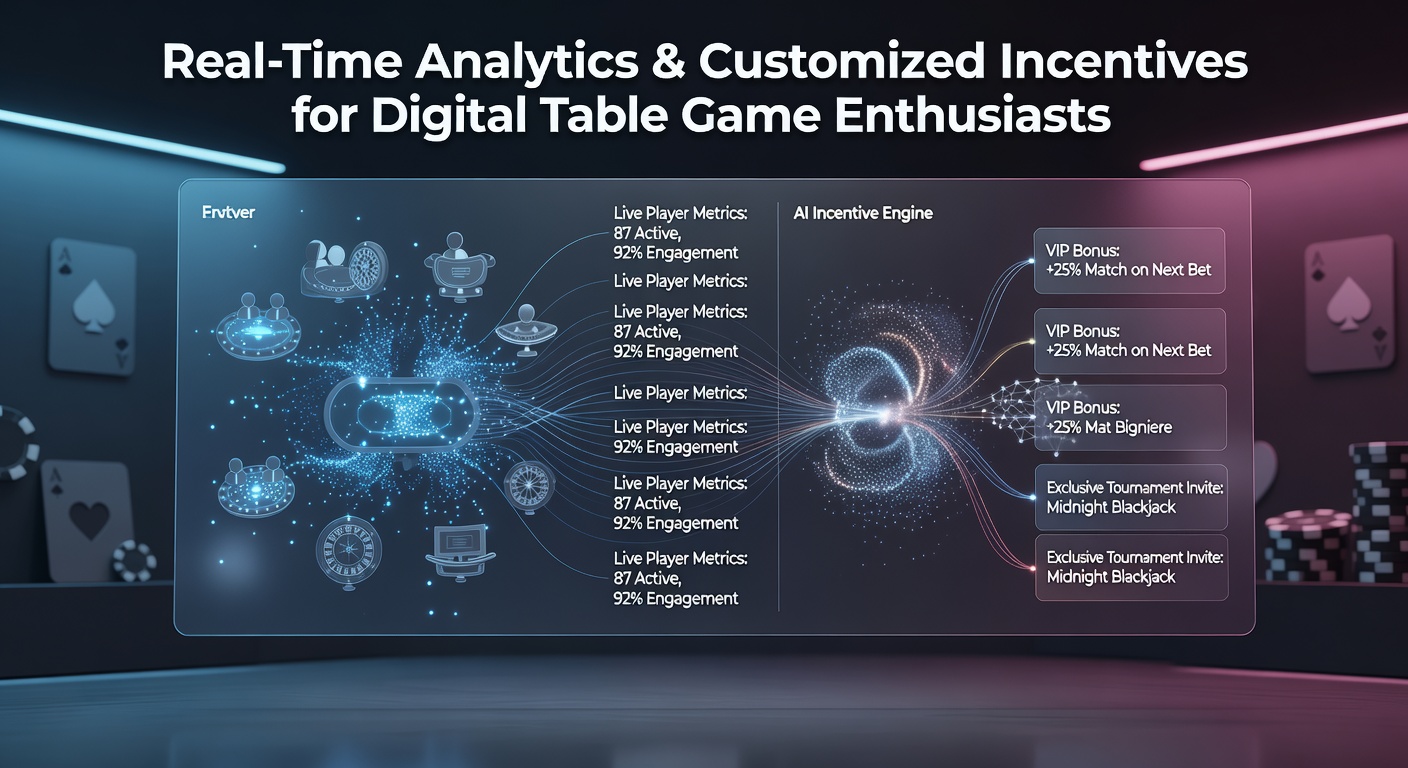
Real-time analytics have transformed how operators deliver incentives to players engaged in digital table games and wagering events, and the process relies on continuous data streams that capture every bet, decision, and session length. Systems monitor player actions across blackjack tables, roulette wheels, and live sports wagers, then adjust reward structures within seconds of observed behavior. This approach moves beyond static loyalty programs because algorithms process millions of data points simultaneously to identify patterns that match individual preferences.
Data Collection Mechanisms in Digital Environments
Platforms gather information through integrated tracking tools that record metrics such as average bet size, game selection frequency, and response times during dealer interactions or event outcomes. When a participant switches from European roulette to Texas Hold'em mid-session, the system logs that shift along with associated win rates and time spent on each variant. These inputs feed into centralized dashboards where operators review aggregated trends without accessing personal identifiers in most regulatory frameworks. According to findings from the American Gaming Association, platforms utilizing such layered tracking report higher retention when incentives align closely with documented play histories.
Observers note that the volume of data increases dramatically during peak hours, particularly when multiple wagering events overlap with table game promotions. Algorithms filter noise by prioritizing variables like recent deposit patterns and preferred payment methods, which allows for rapid segmentation of user groups. One study from the University of Nevada's gaming research center highlighted how millisecond-level updates enable operators to detect shifts in engagement before players themselves notice any change in their habits.
Customization Processes for Table Game Incentives
Operators apply analytics outputs to generate tailored rewards that reflect specific table game behaviors, such as offering free spins on side bets after consistent play on high-limit blackjack tables. When data reveals a preference for certain dealer styles or betting progressions, the system triggers matching incentives like extended play credits or reduced house edge promotions during subsequent logins. This method creates feedback loops where observed actions directly influence future offers without requiring manual intervention from staff.
Those who have examined platform logs describe scenarios where players receive personalized tournament invites based on their historical participation rates in digital poker variants. The process incorporates external factors too, including time-of-day trends and concurrent event schedules, so incentives appear at moments when engagement data predicts highest response rates. Figures from industry reports indicate that such timing precision correlates with increased session durations across monitored platforms.
Application to Wagering Events and Live Markets
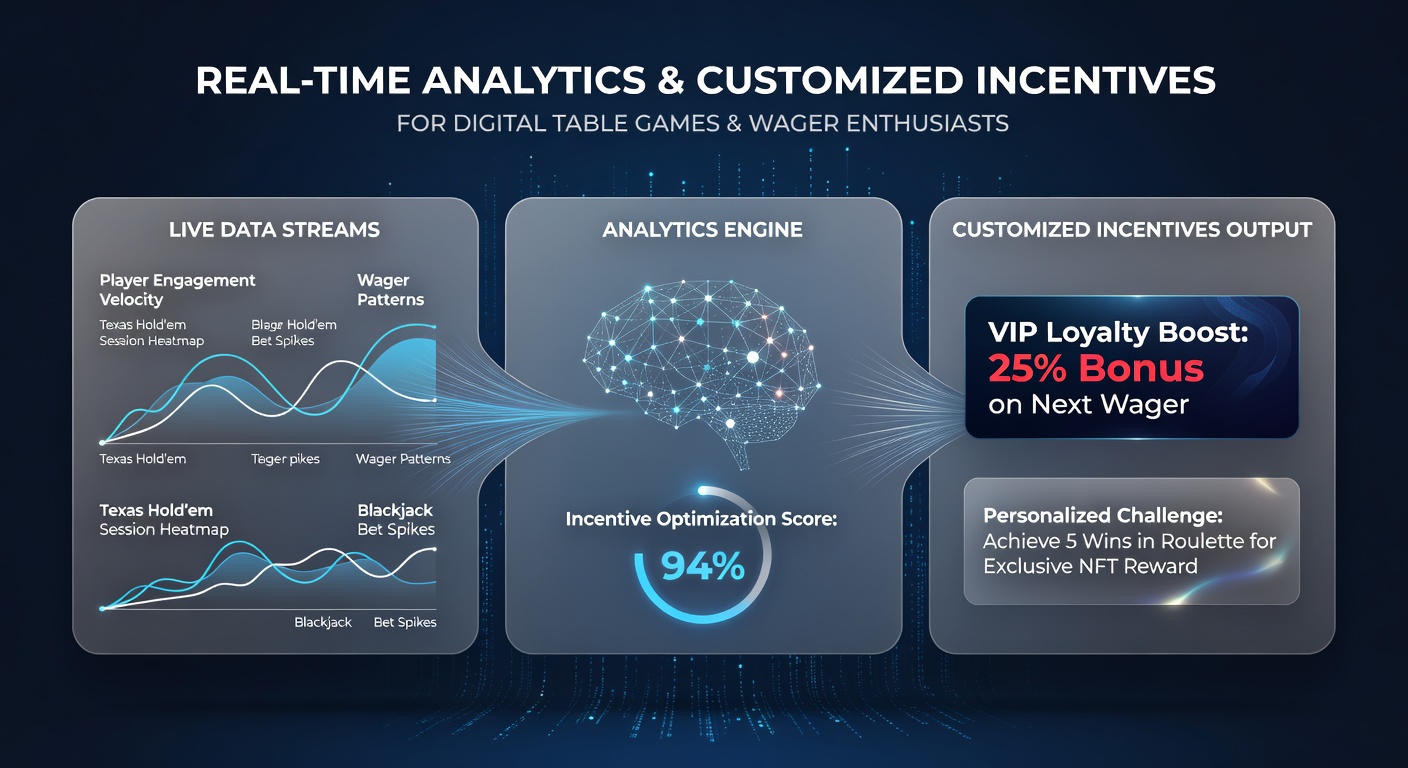
Wagering events benefit similarly when analytics track real-time odds fluctuations alongside individual betting histories to suggest targeted parlay bonuses or cashback structures. Data streams from soccer matches or basketball games combine with user patterns to identify opportunities for customized odds boosts on specific prop bets that align with past selections. Platforms adjust these offers dynamically as event conditions evolve, ensuring relevance even as live markets shift rapidly.
Researchers have documented cases where participants in multi-sport wagering receive sequenced incentives that escalate based on cumulative activity across different events within a single day. The underlying models weigh factors like stake consistency and market diversity, then deploy rewards such as matched bets on upcoming fixtures that mirror established preferences. This continuous refinement supports sustained involvement without relying on generic promotions distributed to entire user bases.
Emerging Developments Around May 2026
As new integration standards roll out in May 2026, several platforms are expanding their analytics capabilities to incorporate additional data layers from virtual reality table interfaces and enhanced live-streaming wagering feeds. These updates allow finer calibration of incentives that respond to immersive session metrics, including eye-tracking proxies and gesture-based decision speeds during digital dealer interactions. Regulatory bodies in multiple regions have begun reviewing these expanded data uses to ensure compliance with existing player protection guidelines while operators refine their segmentation techniques.
Industry organizations report that the May 2026 timeframe coincides with broader adoption of cross-platform analytics that link table game activity directly to event wagering profiles, creating unified incentive profiles for enthusiasts who move between both categories. This connectivity enables offers that span game types, such as table game credits unlocked through successful live event predictions, all calculated from unified real-time datasets.
Conclusion
Real-time analytics continue to define how customized incentives reach enthusiasts of digital table games and wagering events through precise tracking and immediate application of behavioral insights. Operators leverage these tools to maintain relevance across evolving player patterns while adhering to data handling standards set by various oversight entities. The resulting systems demonstrate measurable connections between detailed monitoring practices and adjusted reward delivery that align with documented activity across platforms.