How Encryption Standards Reshape Loyalty Escalations in Virtual Wheel Sequences and Real-Time Athletic Forecasts on Handheld Apps
Rosa Klein · Aug 18, 2026
How Encryption Standards Reshape Loyalty Escalations in Virtual Wheel Sequences and Real-Time Athletic Forecasts on Handheld Apps
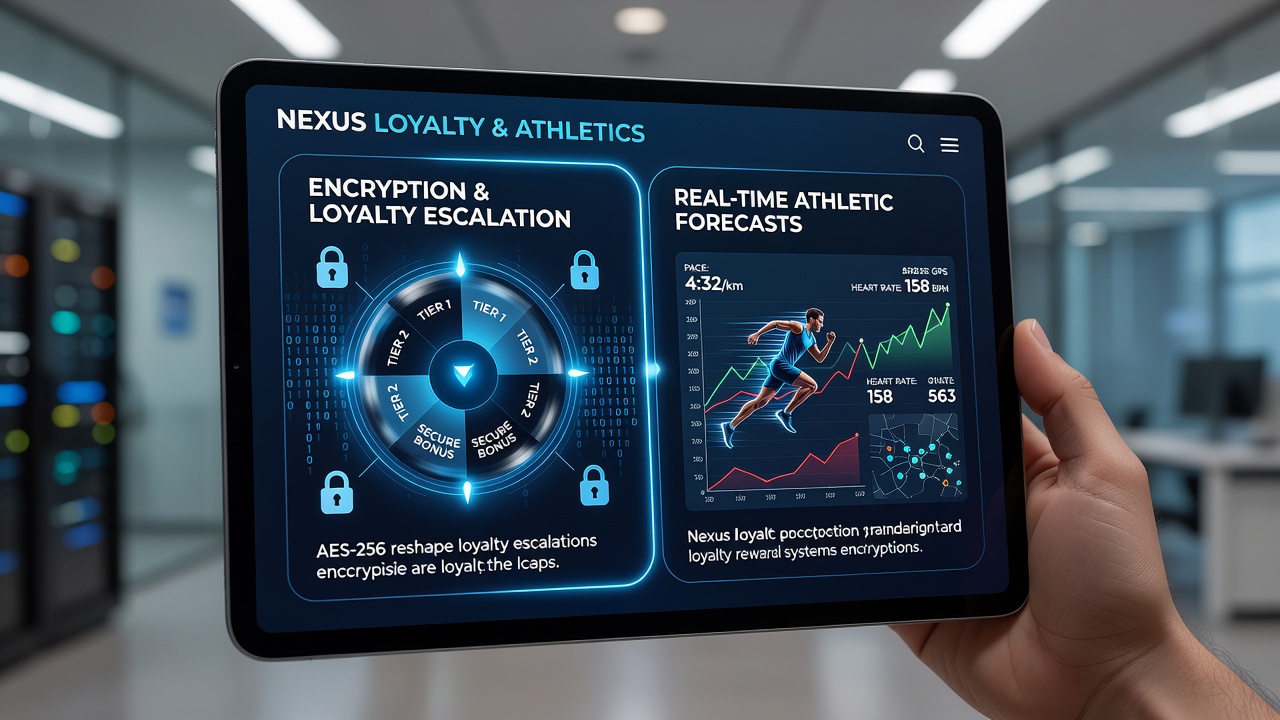
Encryption standards have become central to how loyalty programs operate within mobile applications that feature virtual wheel sequences and real-time athletic forecasts. These protocols secure data transfers during point accumulation, tier advancements, and reward redemptions, which allows operators to maintain system integrity while users engage with spinning mechanisms or live event predictions.
Core Encryption Protocols in Mobile Gaming Environments
Standards such as AES-256 and TLS 1.3 form the backbone of secure sessions on handheld devices. When players complete a virtual wheel spin or submit a forecast on an athletic outcome, these protocols encrypt the transaction details before transmission to central servers. Data shows that adoption of updated encryption suites reduces interception risks during loyalty point calculations, which in turn supports uninterrupted escalation paths from basic tiers to premium access levels.
Developers integrate these measures into app architectures so that each interaction with wheel mechanics or prediction markets triggers an encrypted handshake. This process verifies user identity and records activity without exposing raw data. Observers note that such safeguards enable operators to process larger volumes of simultaneous engagements without compromising the accuracy of loyalty tracking systems.
Impact on Tier Progression Mechanics
Loyalty escalations depend on verifiable activity logs, and encryption ensures those logs remain tamper-resistant. In applications focused on virtual wheel sequences, encrypted channels protect the sequence of spins and associated multipliers that contribute to tier advancement. Similarly, real-time athletic forecasts require secure submission of predictions, where encryption prevents alteration of outcomes or point awards after the fact.
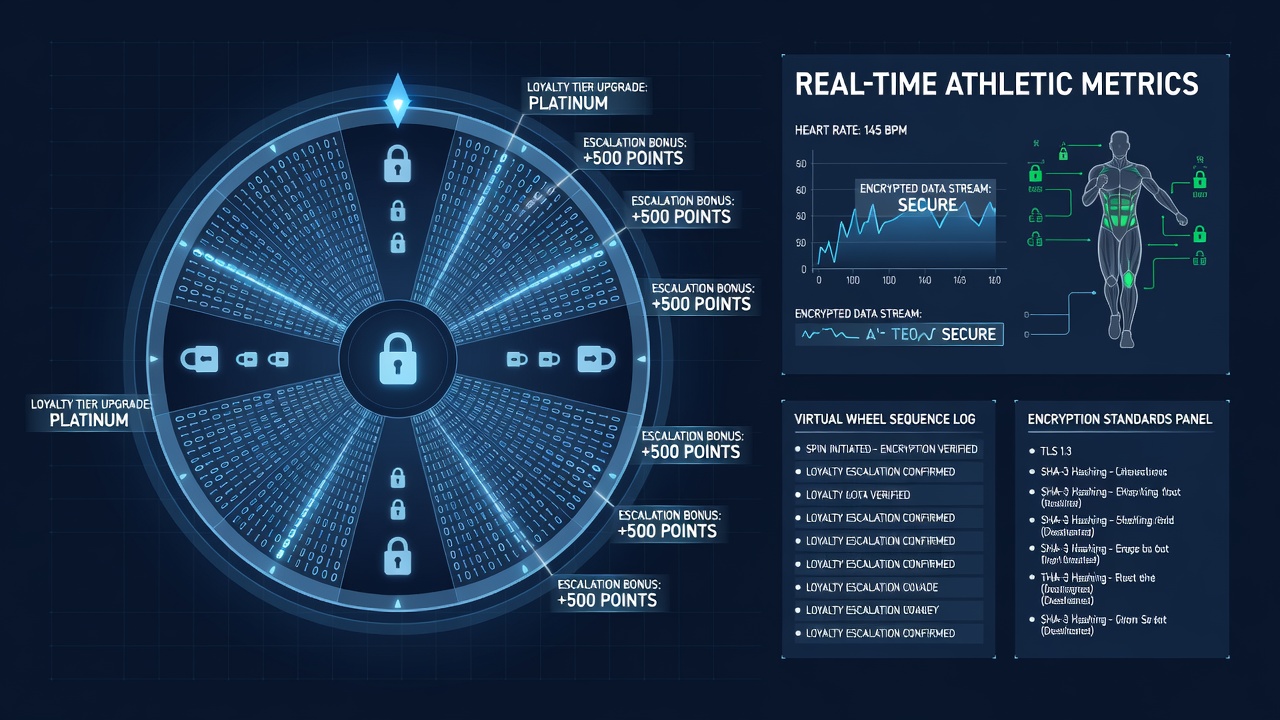
Studies from research institutions indicate that platforms employing end-to-end encryption experience fewer disputes over point validity. Users move through tiers based on cumulative encrypted records, which operators audit through secure channels. This setup supports features like instant tier unlocks following a series of successful forecasts or wheel engagements, because the underlying data remains protected throughout the process.
Real-Time Data Handling in August 2026 Landscape
By August 2026, mobile platforms handling athletic forecasts have expanded encryption requirements to cover live data feeds. These feeds deliver updated odds and event information while loyalty algorithms calculate escalations in parallel. Encryption standards allow the simultaneous processing of prediction submissions and point awards without latency spikes that could disrupt user sessions.
Industry reports from the American Gaming Association highlight how encrypted APIs facilitate cross-feature loyalty integration. A user who places forecasts on athletic events can see those activities contribute directly to rewards in virtual wheel sequences, all within a single encrypted environment. This connectivity relies on consistent application of standards across different game modules.
Regulatory Alignment and Cross-Border Considerations
Compliance frameworks in various jurisdictions reference encryption benchmarks when evaluating loyalty program security. The National Institute of Standards and Technology provides guidelines that many operators reference for implementing data protection measures in mobile environments. These measures ensure that loyalty escalations tied to wheel sequences and forecasts meet audit standards across regions.
Operators adjust their systems to align with evolving requirements, which often include mandatory encryption for any data tied to user rewards. This alignment supports continued operation of hybrid loyalty structures where activity in one feature type influences progress in another. Figures from regulatory bodies in multiple markets reveal steady growth in platforms that meet these technical thresholds.
Technical Implementation Examples
One documented approach involves tokenization layered over encryption protocols. Tokens represent loyalty points during transfers between app components, while the actual values remain encrypted at rest and in transit. This method appears in applications that combine virtual wheel gameplay with athletic prediction markets, allowing seamless point movement without exposing sensitive identifiers.
Another pattern uses certificate pinning to verify server identities during each loyalty update. When a player advances through tiers after a streak of wheel spins or accurate forecasts, the pinned certificates confirm that point adjustments originate from authorized sources. Such techniques reduce opportunities for external interference in the escalation sequence.
Conclusion
Encryption standards continue to influence how loyalty escalations function within mobile applications centered on virtual wheel sequences and real-time athletic forecasts. By securing data flows and transaction records, these protocols support reliable tier progression and integrated reward systems. As platforms evolve through 2026, adherence to established encryption benchmarks remains a key factor in maintaining operational continuity across these interactive features.