Examining Synergies Between Athletic Event Predictions and Traditional Table Game Incentives Within App-Based Loyalty Frameworks
Rosa Klein · Jul 16, 2026
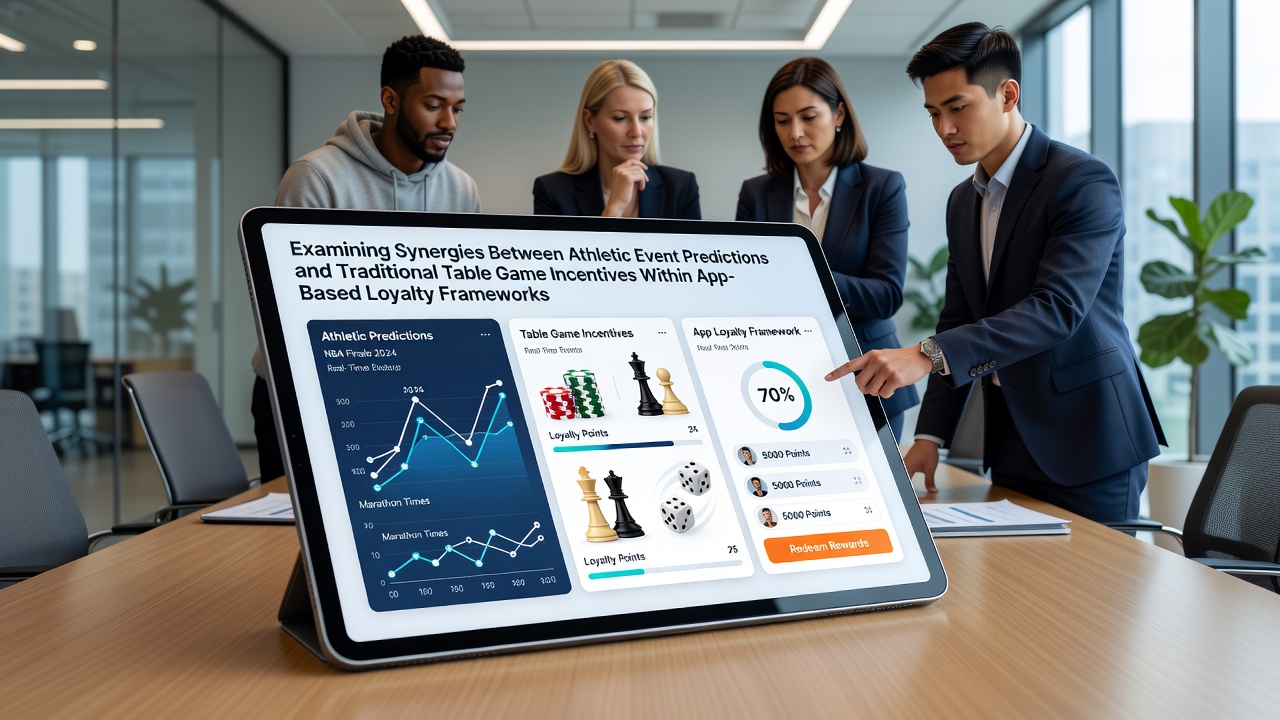
Examining Synergies Between Athletic Event Predictions and Traditional Table Game Incentives Within App-Based Loyalty Frameworks
App-based loyalty frameworks have expanded to connect athletic event predictions with traditional table game incentives, and operators achieve this integration through unified point systems that track user activity across both categories. These systems allow participants to earn rewards from sports outcome selections while applying the same balances toward access at digital blackjack or roulette tables, creating pathways where engagement in one area directly influences opportunities in the other. Data from multiple platforms shows that users who combine these activities maintain higher session frequencies than those focused on single categories alone.
Mechanics of Cross-Category Reward Integration
Operators design loyalty structures so that predictions on athletic events generate points redeemable for table game bonuses, and vice versa, because the underlying algorithms monitor deposit patterns and activity sequences to adjust tier progression in real time. A user who places multiple outcome forecasts during a weekend league schedule might unlock reduced house edges on subsequent card sessions, while consistent table play can accelerate bonus multipliers for future event markets. This bidirectional flow relies on backend databases that synchronize across mobile interfaces, ensuring that every verified transaction contributes to a shared profile visible within the same application.
Studies conducted by research teams at institutions such as the University of Nevada, Las Vegas have documented how these connections alter user retention curves, with participants demonstrating longer overall platform tenure when incentives span both prediction and table environments. The approach avoids isolated reward silos, and instead channels activity into a single progression ladder that reflects combined behavior rather than segmented metrics.
Role of Real-Time Analytics in Personalization
Analytics engines process live data streams from athletic calendars alongside table game rounds to generate tailored offers that appear at moments when users show elevated engagement. For instance, an individual who has accumulated points through evening table simulations may receive a prompt for an upcoming match prediction opportunity that carries an enhanced payout structure tied to their current loyalty tier. These prompts draw from historical patterns, and platforms update the underlying models continuously to reflect shifts in participation across regions.

In July 2026 several major operators introduced enhanced synchronization features that reduced latency between prediction settlements and table incentive releases, allowing points to reflect immediately across categories. This timing improvement stems from upgraded payment verification layers that confirm transactions before distributing rewards, and observers note the change coincided with measurable increases in cross-category activity volumes during that period.
Compliance Considerations Across Jurisdictions
Regulatory frameworks in different markets influence how these synergies operate, particularly where separate licensing categories govern sports prediction markets and table game offerings. Platforms must maintain distinct audit trails for each activity type while still presenting a unified user experience, and compliance teams implement controls that prevent reward transfers from violating jurisdictional limits. Reports issued by bodies such as the Nevada Gaming Control Board highlight the need for clear disclosure of how points accumulate when users move between prediction interfaces and table simulations within the same session.
Canadian provincial regulators have similarly examined these integrated structures, emphasizing transparency in how loyalty balances translate across product types. The resulting guidelines require operators to display conversion rates and eligibility rules directly within app interfaces, which reduces ambiguity for participants who navigate both athletic forecasts and traditional game incentives in quick succession.
Impact on User Behavior Patterns
Behavioral data collected across multiple applications reveals that individuals often alternate between prediction markets and table environments within single sessions when loyalty frameworks reward such transitions. One documented case involved users who began with table game rounds, accumulated sufficient points for tier advancement, and then shifted to athletic predictions where those same points unlocked higher-stake options. The pattern appears consistently in aggregated logs, and it suggests that combined incentive structures encourage broader exploration rather than concentration within one activity type.
Transaction verification processes play a supporting role here, because each deposit or withdrawal must clear security checks before points update, and this verification step applies uniformly whether the originating activity involves an event forecast or a table game round. The consistency helps maintain trust in the overall system, and it allows operators to scale the framework without introducing category-specific exceptions that could fragment the user journey.
Future Developments in Hybrid Loyalty Models
Industry reports from organizations including the American Gaming Association indicate continued investment in tools that further blend athletic prediction incentives with table game rewards through predictive modeling. These tools analyze sequences of play to forecast when a user might respond to an offer that bridges the two areas, and early implementations have shown improved conversion rates for promotional content delivered at those intervals. Developers continue to refine the underlying code to handle increased data volumes without compromising response times on mobile devices.
Additional refinements focus on seasonal athletic calendars, where loyalty frameworks temporarily elevate prediction-related rewards during major tournaments while maintaining steady table game incentives throughout the year. This seasonal calibration ensures that the synergy remains active year-round rather than peaking only during high-profile events, and it supports sustained participation across both categories.
Conclusion
App-based loyalty frameworks continue to evolve by linking athletic event predictions with traditional table game incentives through shared point economies and synchronized analytics. The resulting structures allow operators to track combined behavior, deliver personalized offers, and maintain compliance across varying regulatory environments. As platforms incorporate updates such as those observed in July 2026, the connections between these activity types are likely to deepen further while preserving the operational safeguards required by oversight bodies.