Beneath the Interface: How Encryption Layers Guide Progression Routes Through Portable Reel Mechanisms, Real-Time Dealer Exchanges, and Athletic Outcome Markets
Finley Lang · Jul 12, 2026
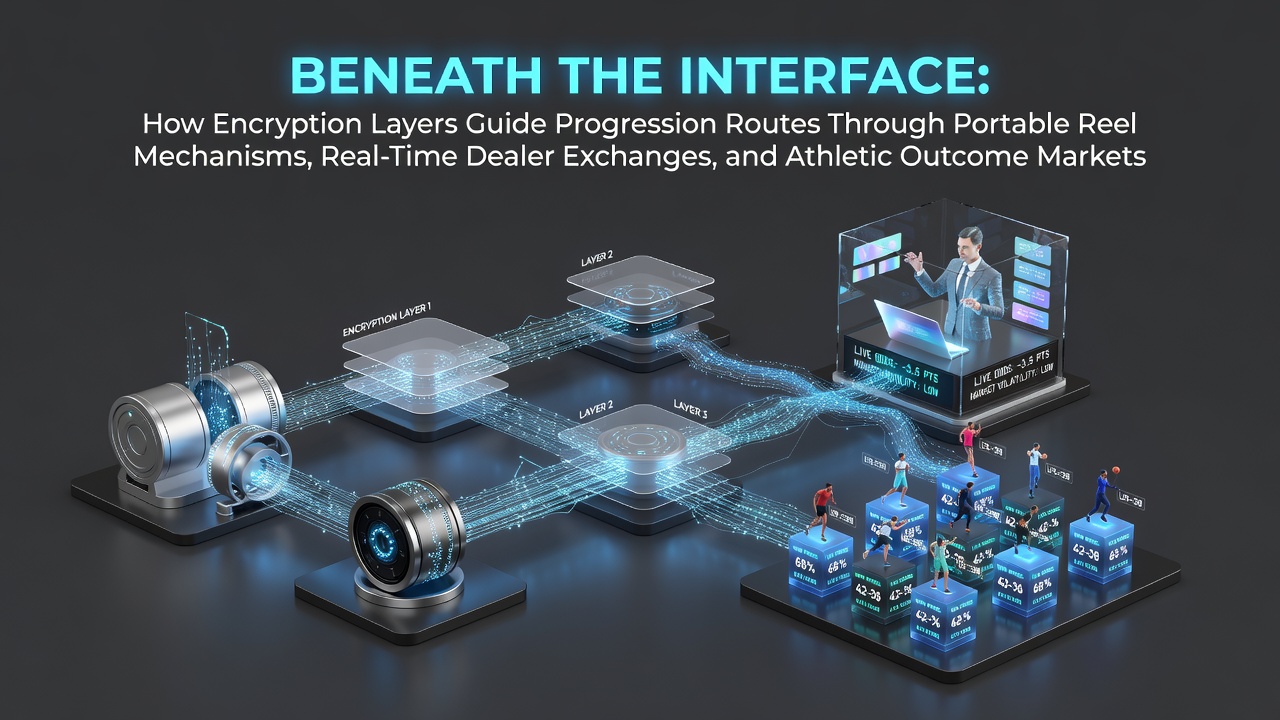
Beneath the Interface: How Encryption Layers Guide Progression Routes Through Portable Reel Mechanisms, Real-Time Dealer Exchanges, and Athletic Outcome Markets
Encryption protocols form the backbone of secure user navigation across mobile platforms that host reel-based games, live dealer interactions, and sports outcome wagering. These layers operate through established standards such as TLS 1.3 and AES-256, which authenticate sessions and protect data flows without interrupting access routes. Data from multiple jurisdictions shows that platforms integrate these measures to maintain compliance while allowing seamless transitions between game categories. Observers note that encryption begins at the device level, where certificate pinning verifies server identities before any reel spin or wager placement occurs. This process channels users through verified pathways, preventing unauthorized intercepts during fund transfers or outcome verifications. In practice, such systems align with requirements outlined by bodies like the Nevada Gaming Control Board, which mandates encryption for all interactive gaming operations.
Encryption protocols form the backbone of secure user navigation across mobile platforms that host reel-based games, live dealer interactions, and sports outcome wagering. These layers operate through established standards such as TLS 1.3 and AES-256, which authenticate sessions and protect data flows without interrupting access routes. Data from multiple jurisdictions shows that platforms integrate these measures to maintain compliance while allowing seamless transitions between game categories. Observers note that encryption begins at the device level, where certificate pinning verifies server identities before any reel spin or wager placement occurs. This process channels users through verified pathways, preventing unauthorized intercepts during fund transfers or outcome verifications. In practice, such systems align with requirements outlined by bodies like the Nevada Gaming Control Board, which mandates encryption for all interactive gaming operations.Encryption Pathways in Portable Reel Mechanisms
Reel mechanisms on portable devices rely on layered encryption to sequence player progression from initial login through bonus feature unlocks and payout confirmations. Each spin request travels through encrypted channels that log session integrity, ensuring random number generation remains tamper-proof. Studies from industry research groups indicate that these protections scale with user activity, routing higher-volume accounts into accelerated verification queues that preserve game continuity. Multi-factor authentication combines with end-to-end encryption to segment access tiers, where basic players encounter standard security checks while escalated accounts receive additional token validations. This structure supports consistent reel engagement across sessions without exposing underlying transaction data. Figures from state-level reports reveal steady adoption of such layered approaches in markets where mobile slots constitute a significant share of activity.Real-Time Dealer Exchanges Under Encryption Protocols
Live dealer sessions incorporate encryption to manage video streams, chat functions, and bet placements in synchronized flows. Protocols encrypt both audio-visual feeds and action logs, guiding participants from table entry to resolution without data leakage. Regulatory frameworks in regions such as New Jersey require these measures for all remote table simulations, creating standardized routes that platforms must follow to operate legally. Progression through dealer exchanges often involves dynamic key exchanges that refresh during extended play periods, maintaining session security while accommodating real-time decisions. Observers have documented how these updates prevent replay attacks, allowing uninterrupted movement between different table variants. Data indicates that platforms employing frequent key rotations report fewer compliance incidents during peak usage windows.